






















.avif)










The idea flashed like a headlamp in the woods.
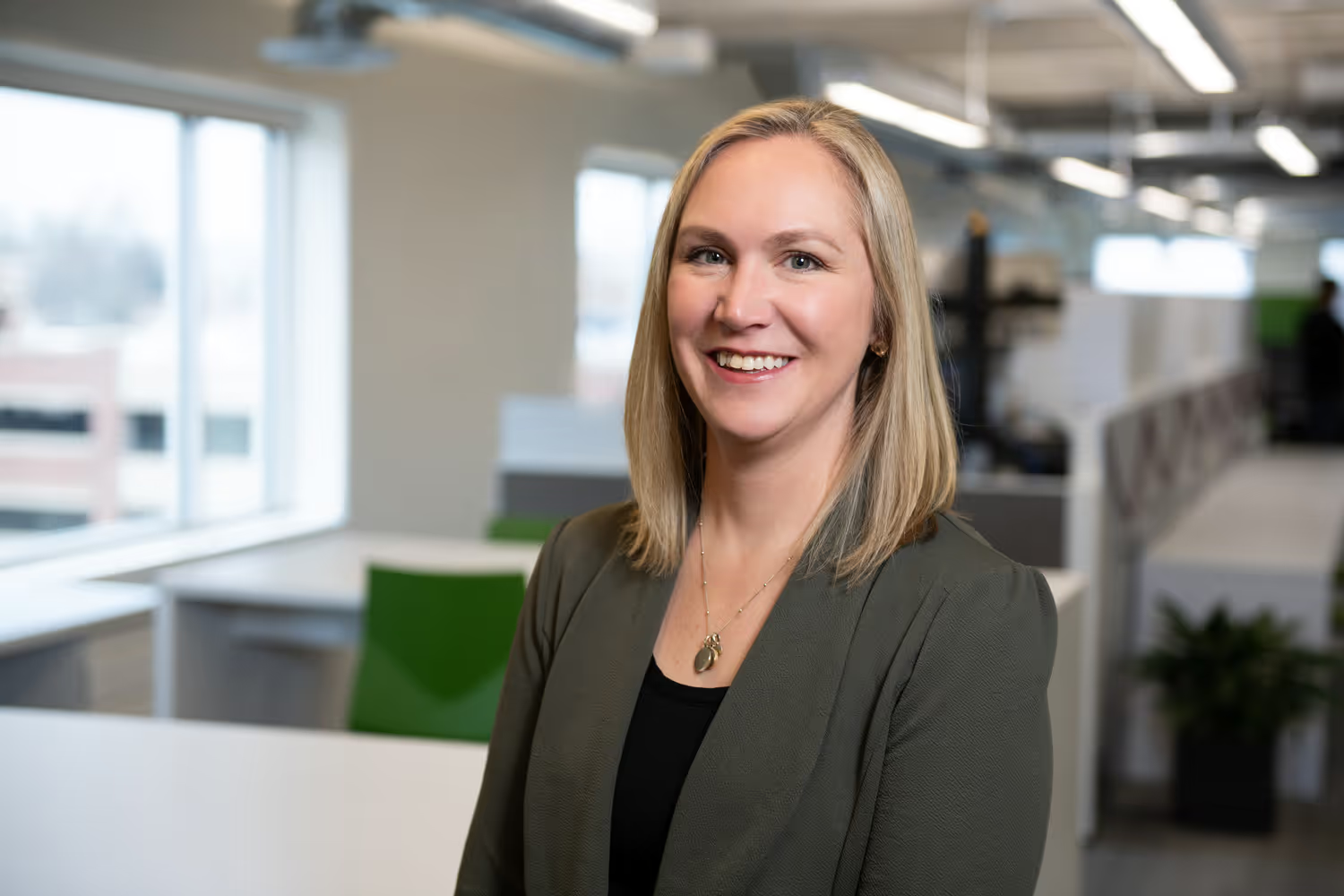
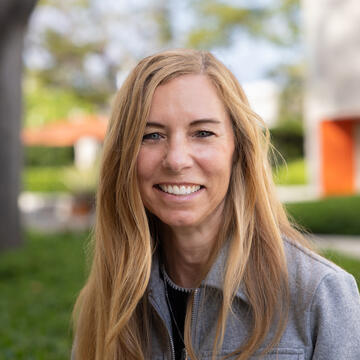
Sitting at a work conference a few years ago, Alli Bone listened to a presentation about Imagination Library, the Dolly Parton-founded organization that has provided kids with millions of free books.
Bone was interested. As a mom, she knows that books spark childhood interests, from the littlest bugs to the biggest trucks. As a telecom engineer, she also knows that kids who live in areas without strong digital infrastructure often struggle to access educational resources.
Until that conference, she had never put the two facts together.
“I was sitting there thinking about how important books are for our kids’ education,” she said. “And I also know there are kids out there who sit in a McDonald’s parking lot to do their homework because they don’t have internet at home.
“And it just hit me: I should write a broadband book.”
* * *
As an Olsson telecom client manager, Bone helps public and private organizations fund, design, and implement the infrastructure that brings broadband internet to communities across the country. Most Americans take high-speed internet connections for granted. But that’s not the case in many rural communities, especially in the Western U.S.
"I know there are kids out there who sit in a McDonald’s parking lot to do their homework because they don’t have internet at home."
The Federal Communications Commission’s (FCC’s) National Broadband Map provides a snapshot of the digital divide. In large metro areas like Los Angeles, Phoenix, and San Diego, nearly all households have broadband access. But in communities like Cibola County, New Mexico – home to roughly 25,000 people, many of whom live on tribal reservations – 70 percent of households do not have access to the web.
To help close this gap, Congress allocated $42.5 billion in 2021 to establish the Broadband Equity, Access, and Deployment (BEAD) program. Bone and her Olsson telecom colleagues are actively involved in helping communities access these funds to design and build the digital infrastructure they need. Bone joined Olsson in 2026 largely because of our commitment to expanding digital infrastructure across the country.
* * *
Once Bone decides to do something, she follows through. So, the day after that conference, she started writing. One year later, after many rounds of editing and illustrating, she flipped through the pages of her broadband book: Follow The Light: A Fiber Optic Adventure.
The book is made for young kids, with thick, rip-proof pages. It’s designed to teach children about digital infrastructure, from how it works to why it’s important. It’s also designed to spark an interest in a career in telecom engineering, just like other books may spark an interest in being a firefighter, a doctor, or an athlete.
Book publishing is a crowded field and Bone self-published after receiving little interest from publishers. At first, she said, “no one really grasped what I was doing.
“Until I got a call from New Mexico.”
“I want the kids that read my book to not be afraid to speak their mind. Don’t just be a follower. Be the light.”
On the other end of the line was Jennifer Nevarez, with the New Mexico Office of Broadband Access and Expansion (OBAE). With a lot of land and a relatively small population, New Mexico is home to many rural communities without reliable internet connections.
That’s why Nevarez – through a partnership between OBAE and a nonprofit called Community Learning Network – created New Mexico Digital Inclusion Week to “educate and inspire local communities about the work and wonder of fiber optics.”
Nevarez had read Follow The Light and called Bone asking if the group could purchase 500 copies to distribute to children across the state. She also asked Bone to visit and join in the celebration.
Of course, Bone said yes. Digital Inclusion Week runs from October 4-10, 2026, and Follow The Light is at the center of the festivities. Bone plans a week-long tour of the state, where she will read to schoolchildren, visit with teachers, and meet with local officials to share the importance of digital infrastructure.
* * *
Many people have an idea for a book. But few people ever write one. Bone’s Olsson colleagues aren’t surprised that she followed through on her vision.
“Alli is constantly generating new ideas, pursuing meaningful initiatives, and looking for ways to make an impact,” said Thomas Perry, a fellow Olsson telecom engineer. “Writing a book reflects the same energy and drive that she brings to her work every day.”
As Bone travels to classrooms this fall, she wants to leave kids with more than just a better understanding of digital infrastructure. She also hopes to inspire others, just as she was inspired at that conference a few years ago.
“I want the kids that read my book to not be afraid to speak their mind,” she said. “Don’t just be a follower. Be the light.”